Notarization is essential for maintaining the integrity of legal and financial transactions. It verifies identities, deters fraud and ensures documents are properly executed. However, some individuals attempt to exploit this process.
At First Class Signing, we believe that clients who know the signs of an unverified notary are better protected. When you know how to vet a notary public, you’re protecting your business from scams and document fraud.
This guide outlines how notary fraud occurs, key warning signs, and steps to take if you suspect fraud.
What Is Notary Fraud?
Notary fraud occurs when someone falsely claims to be a notary or when a commissioned notary engages in improper or illegal actions. Examples include forging signatures, notarizing documents without the signer present, or failing to verify identification.
Since notarized documents are used for major transactions such as real estate transfers, legal authorizations and financial agreements, fraudulent notarization can have serious consequences. Victims may experience delays, financial losses or disputes over document validity.
Recognizing warning signs is the first step in preventing these issues.
Common Warning Signs of a Fake Notary
Fraudulent notarization often involves subtle irregularities that are easy to miss. Careful attention to detail can help protect you.
Suspicious or Missing Notary Seal
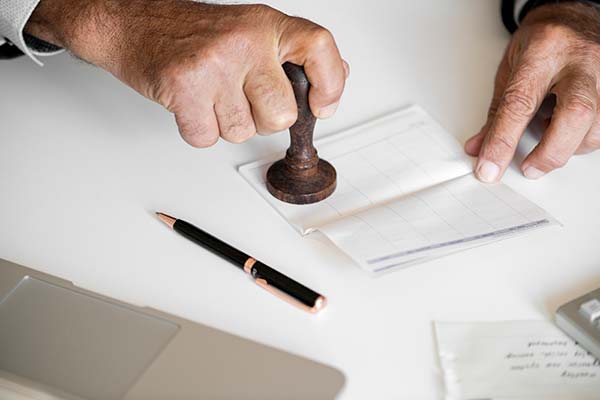
A valid notarization must include an official seal or stamp identifying the notary. The seal usually displays the notary’s name, state of commission and commission expiration date.
If the stamp is missing, illegible or appears altered, the notarization may be invalid. Always review smudged seals or incomplete certificates carefully.
No Identification Verification
A legitimate notary always verifies the signer’s identity using a government-issued photo ID. If the notary does not request identification or accepts a photocopy instead of the original, this is a serious red flag.
Identity verification is one of the most important steps in preventing fraud.
Notary Not Present During Signing
For most notarizations, the signer must appear before the notary when signing the document. If your signature is notarized without your presence, the document may be invalid.
In remote online notarization sessions, the signer must still appear live on video before the notary.
Unusual Fees or Payment Requests
Notaries may only charge fees permitted by state law. Requests for unusually high fees or cash-only payments, or refusal to provide receipts, may indicate fraud.
Pressure To Sign Quickly
Fraudsters may rush signers to prevent them from reviewing documents. A legitimate notary allows time for review and answers questions about the process.
How To Prevent Notary Fraud
You can protect yourself from notary fraud by taking a few simple precautions.
Verify the Notary’s Credentials
Learn how to verify a notary public by requesting their commission certificate and identification. Most states — including California, New York, Oregon, Washington, North Carolina and Florida — offer public databases to confirm a notary’s active commission.
Verifying credentials helps ensure the person performing the notarization is properly authorized.
Be Present During the Signing
Do not sign documents in advance or let someone else handle notarization later. The notary must witness your signature in person or through an approved remote process.
Your presence helps confirm that the document is being executed voluntarily.
Read Every Document Carefully
Review every page before signing to ensure nothing has been altered or added without your knowledge. Fraudulent documents often depend on overlooked details.
Taking a few minutes to review your paperwork can prevent issues later.
Use Trusted Notary Services
Using reputable notary services reduces the risk of fraud. Professional notaries follow state regulations, maintain accurate records and handle documents responsibly.
Building a relationship with a trusted notary provider also makes future notarizations easier.
Report Suspicious Activity
If you suspect notary fraud, report it to your state’s notary commissioning office. In some cases, you may also need to notify law enforcement.
Prompt reporting can help protect others from becoming victims.
Security in Remote Online Notarization
Remote Online Notarization (RON) is increasingly common, allowing documents to be notarized through secure online platforms. The digital process still requires strict identity verification and recordkeeping.
During a RON session, several security measures confirm identity and protect documents:
- Multi-layer identity verification checks
- Credential analysis of government-issued identification
- Knowledge-based authentication questions
- Live, two-way video interaction with the notary
- Secure digital records and audit trails
These safeguards make remote notarization one of the most transparent methods available. Each session is recorded, providing documentation for review if a dispute arises.
What To Do If You Suspect Notary Fraud
If you believe a notarization was performed improperly or fraudulently, act promptly. Gather all documentation related to the transaction, including copies of the notarized document, payment receipts and communication records.
Next, contact your state’s notary regulating office to report the incident. In California, you can submit a complaint against a notary public to the Secretary of State. In some cases, you may also need to involve legal professionals or law enforcement.
Addressing potential fraud early can prevent further harm and assist authorities in their investigation.
Protecting Your Documents Starts With the Right Notary
Notary fraud can cause legal and financial complications. By recognizing warning signs and verifying credentials, you can greatly reduce your risk.
Whether notarizing a property document, financial agreement or power of attorney, choosing a trusted professional ensures the process is handled correctly from start to finish.
Taking a few extra moments to confirm identity and review documents protects your transactions and provides peace of mind.
Concerned about notary fraud or need secure notarization? Contact First Class Signing to schedule a verified notary appointment and protect your documents with confidence.
Related Posts




Need a Signing Today?
First Class Signing Service’s home office is in Livermore, California, but we pride ourselves on delivering all-in signing solutions to clients nationwide, covering all 50 states and four U.S. territories.
What sets us apart is our exceptional team of 50,000-plus highly qualified signing agents who are dedicated to providing reliable and efficient signing services with utmost care and professionalism.